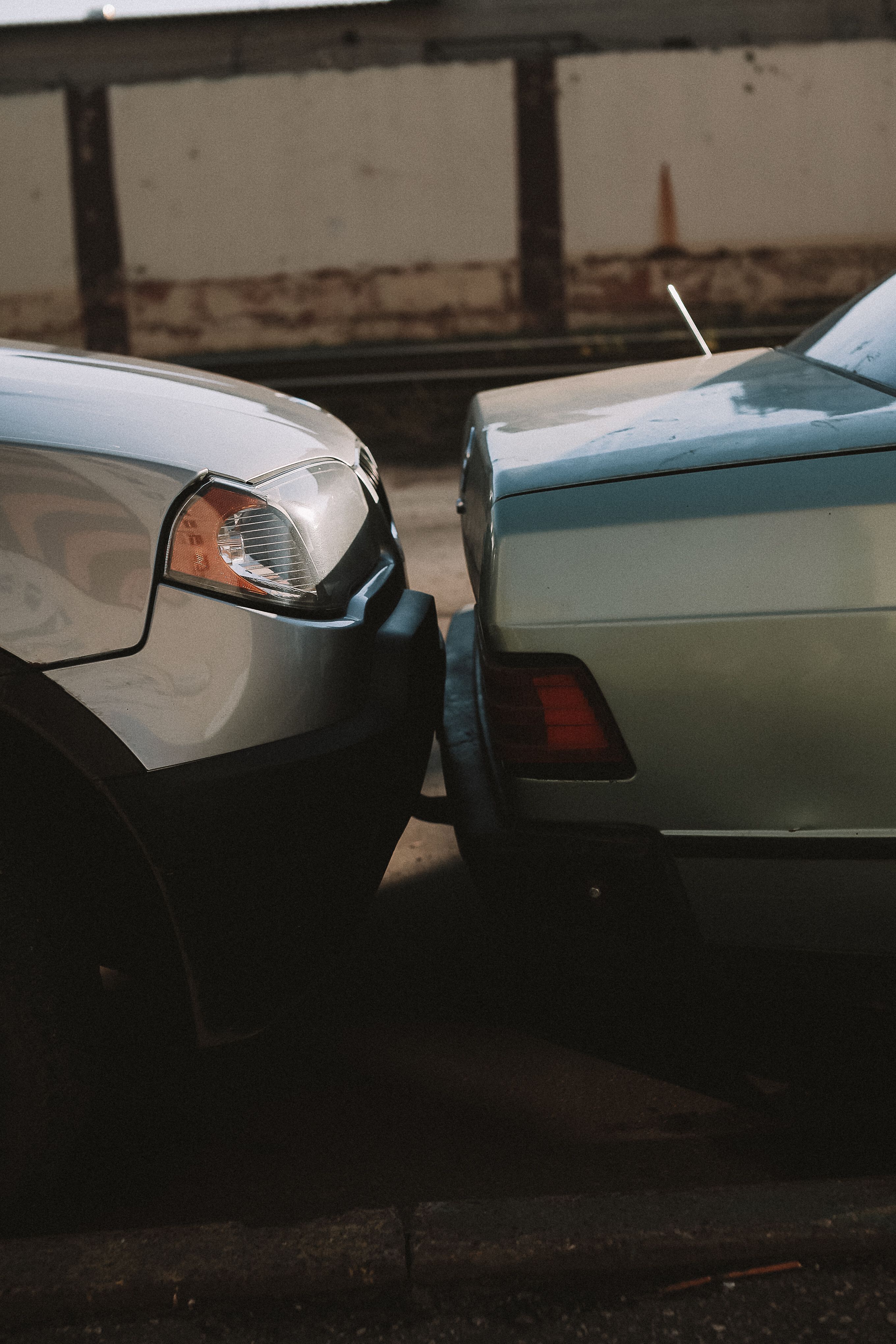
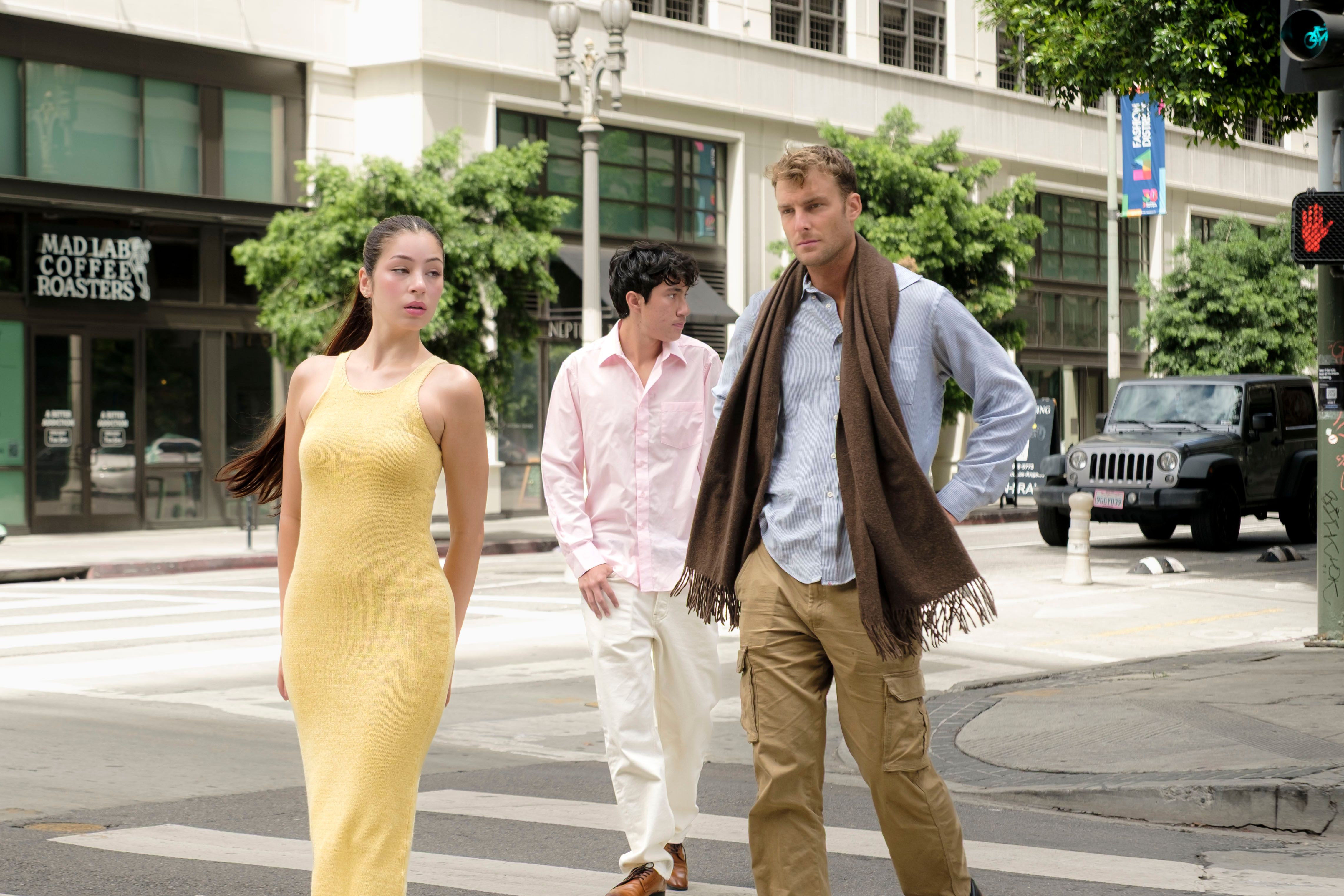
Visibility, intersections, traffic controls, driver conduct, and street design may all become part of the investigation.
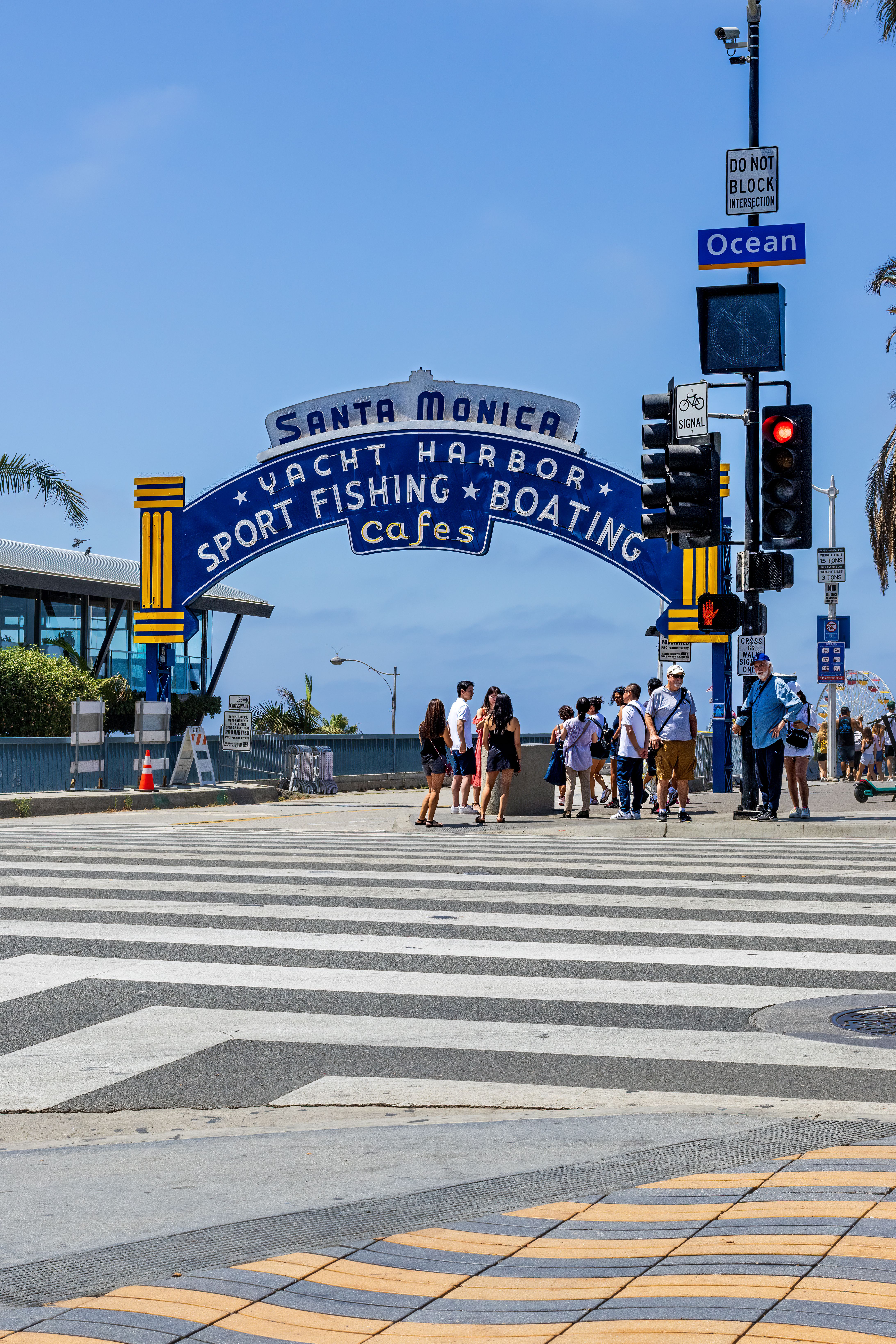

Pedestrian cases require scene context
Vehicle damage tells only part of the story. Lighting, sight lines, traffic signals, crosswalk markings, parked vehicles, construction, weather, and the movement of everyone involved may matter.
Photographs, surveillance footage, vehicle data, witness accounts, and the collision report can help reconstruct what occurred.
Serious injuries can evolve
A pedestrian has little physical protection from impact. Brain, spinal, orthopedic, and internal injuries may require prolonged care and rehabilitation.
The case should account for current treatment while leaving room to understand prognosis, future needs, work limitations, and changes in independence.
Fault should follow the evidence
Early assumptions may be incomplete. The investigation should compare physical evidence and reliable accounts rather than relying on a single statement or stereotype about drivers or pedestrians.
More than one party or condition can contribute to a collision. The specific facts determine which legal questions are relevant.
Preserving local evidence
Businesses, residences, transit vehicles, and public cameras may capture useful footage, but retention periods can be short. Witness contact information can also become difficult to recover.
Prompt investigation can identify potential evidence and the entities that may control it.
Official information
For general information about California personal injury cases and civil lawsuits, visit the California Courts Self-Help Guide.
LEGAL INFORMATION DISCLAIMER
This article provides general information only. It is not legal advice, does not address every exception or deadline, and does not create an attorney-client relationship. Laws and procedures may change. Advice for a specific situation requires review of the particular facts.